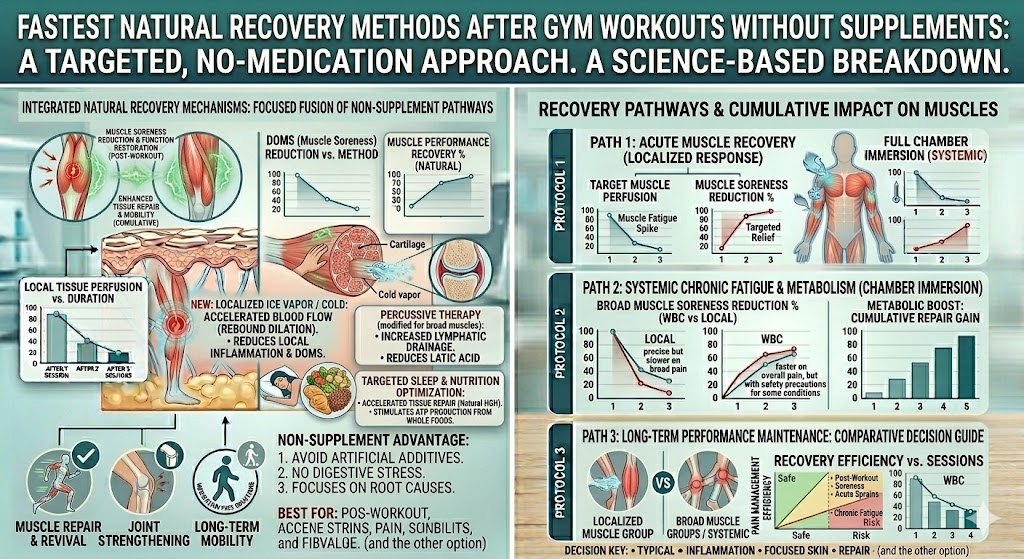
Muscle soreness after intense workouts is a common challenge for athletes and fitness enthusiasts. Cold-based recovery methods are widely used to reduce pain and speed up recovery—but which is more effective?
When comparing cold therapy vs ice baths for muscle soreness, both methods offer benefits, but they differ in application, intensity, and results.
This science-backed guide breaks down how each method works and helps you decide which one is best for your recovery routine.
What Is Cold Therapy?
Cold therapy refers to targeted or controlled exposure to cold temperatures to reduce inflammation and pain.
Common Types:
- Cold packs or ice packs
- Cold showers
- Cryotherapy (localized or whole-body)
How It Works:
- Constricts blood vessels (vasoconstriction)
- Reduces inflammation
- Numbs pain receptors
What Are Ice Baths?
Ice baths (also known as cold water immersion) involve submerging the body in cold water, typically between 10°C to 15°C, for a short period.
How It Works:
- Rapidly lowers muscle temperature
- Reduces swelling and inflammation
- Slows down muscle damage response
Cold Therapy vs Ice Baths: Key Differences
1. Application
- Cold Therapy: Targeted or partial body treatment
- Ice Baths: Full-body immersion
2. Intensity
- Cold Therapy: Mild to moderate cold exposure
- Ice Baths: Intense and immediate cold shock
3. Convenience
- Cold Therapy: Easy to do at home
- Ice Baths: Requires setup and preparation
4. Comfort Level
- Cold Therapy: More tolerable
- Ice Baths: Can be uncomfortable or challenging
5. Recovery Speed
- Cold Therapy: Gradual recovery support
- Ice Baths: Faster inflammation reduction after intense workouts
Which Works Better for Muscle Soreness?
The answer depends on your needs and workout intensity.
Ice Baths Work Better If You:
- Perform high-intensity or endurance training
- Experience severe muscle soreness (DOMS)
- Need rapid recovery between sessions
- Are an athlete training frequently
Why:
Ice baths provide full-body exposure, making them highly effective for reducing widespread inflammation quickly.
Cold Therapy Works Better If You:
- Have localized soreness or injury
- Prefer a more comfortable recovery method
- Need daily recovery support
- Want a quick and convenient solution
Why:
Cold therapy allows targeted treatment without the discomfort of full immersion.
Can You Combine Both Methods?
Yes. Many athletes use both methods strategically.
Example routine:
- Ice bath after intense training days
- Cold therapy for daily recovery or specific sore areas
This combination can maximize recovery while minimizing discomfort.
Science-Backed Benefits of Both Methods
Shared Benefits:
- Reduced inflammation
- Decreased muscle soreness
- Faster recovery
- Improved circulation post-treatment
Key Difference:
Ice baths act faster on the entire body, while cold therapy provides more controlled, targeted relief.
Recovery Trends in Fitness Communities
Globally, both cold therapy and ice baths are widely used in:
- Professional sports teams
- High-performance training centers
- Modern fitness and wellness facilities
However:
- Ice baths are more common in athletic environments
- Cold therapy is more accessible for everyday users
This reflects a growing focus on efficient, non-invasive recovery methods.
Safety Tips
Both methods are generally safe but should be used correctly.
Avoid:
- Prolonged exposure (over 15 minutes for ice baths)
- Extremely cold temperatures without supervision
- Use if you have circulatory issues without medical advice
Possible Side Effects:
- Temporary numbness
- Skin redness
- Tingling sensation
Conclusion
When comparing cold therapy vs ice baths for muscle soreness, both methods are effective—but they serve different purposes.
- Ice baths are better for intense, full-body recovery
- Cold therapy is ideal for targeted, convenient relief
The best choice depends on your training intensity, comfort level, and recovery goals. For optimal results, many people benefit from using both methods as part of a balanced recovery routine.
FAQs
Are ice baths better than cold therapy?
Ice baths are more effective for full-body soreness, while cold therapy is better for targeted relief.
How long should I stay in an ice bath?
Typically 10–15 minutes is recommended.
Can I use cold therapy every day?
Yes, targeted cold therapy can be used daily for recovery.
Do ice baths really reduce muscle soreness?
Yes, they significantly reduce inflammation and soreness after intense workouts.